The main idea of the LED bulb factory project is to establish a facility for manufacturing LED lighting products, offering high-quality LED bulbs at competitive prices by utilizing the best available production lines in this field. The factory provides products such as light tube assemblies, light panels, and bulb assemblies in sizes 60×60 and 30×30. The factory targets various sectors, including electrical supply stores, construction and contracting companies, corporations, factories, offices, hotels, serviced apartments, and commercial and residential complexes, capitalizing on the growing demand for these products in target markets. The feasibility study for the LED bulb factory project highlights that this is a promising investment opportunity with high financial profits and significant economic returns for investors.

<strong>mashroo3k Consulting</strong> undertakes the preparation of a feasibility study for the <strong>LED bulb factory project</strong>, where the team studies the project idea, its components, nature, feasibility, and the level of competition in the target markets. They also analyze and study the market size, revealing a significant demand for the project’s products, including light tube assemblies, light panels, and bulb assemblies in sizes 60×60 and 30×30. These products are essential in all establishments, as no building is complete without them due to their ultra-bright lighting, wide illumination angle, strong and focused brightness, minimal heat emission, low energy consumption, and eco-friendliness.<br>The factory offers high-quality LED bulb products at competitive prices by utilizing the best available production lines and advanced technologies in the field. The demand for LED bulbs continues to grow steadily due to their numerous advantages over traditional lighting, including efficiency, longer operational life, and their ability to replace conventional bulbs. The project aims to meet market demand by replacing imported LED bulbs and securing a strong market position through a commitment to product quality and competitive pricing for all target sectors, including electrical supply stores, construction and contracting companies, corporations, factories, offices, hotels, serviced apartments, and commercial and residential complexes.<br>


Maintaining the safety and validity of products during packing and transportation operations.
Executive summary
Study the project’s services/products
Studying the market size
Risk study
Technical study
Financial study
Organizational and management study
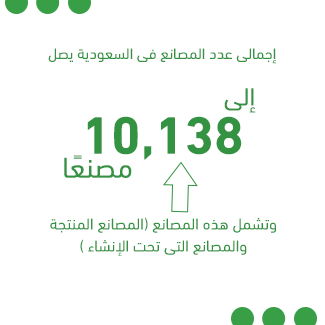
The Kingdom of Saudi Arabia has paved the way for development with its ambitious Vision 2030, which aims at economic diversification, the renaissance of non-oil sectors and increasing the contribution of the private sector to GDP, and this can only be achieved through the renaissance of industry and mining as two main tributaries in major economies, and the Kingdom is determined to increase their participation in its GDP by about 15%. When talking about industry in the Kingdom, it should be noted that it was not born out of the moment, but rather it has been extended and rooted since the discovery of oil in the Kingdom in the late thirties of the last century. Over the decades, the Kingdom spared no effort to develop its industry; it established the Industrial Development Fund (1974), the Royal Commission for Jubail and Yanbu (1975), and SABIC in 1976. The roles and tasks undertaken by these institutions and the programs they worked on to grow the industrial sector and develop its performance and working mechanisms are no secret to anyone. As a result of the efforts exerted years ago in this direction, the number of factories in the Kingdom today has increased to more than 10,000 factories. We, Mashroo3k , believe in the importance of the industrial sector and its role in driving the economy, so we will present its most important indicators below so that anyone wishing to invest in it can be aware of them: